
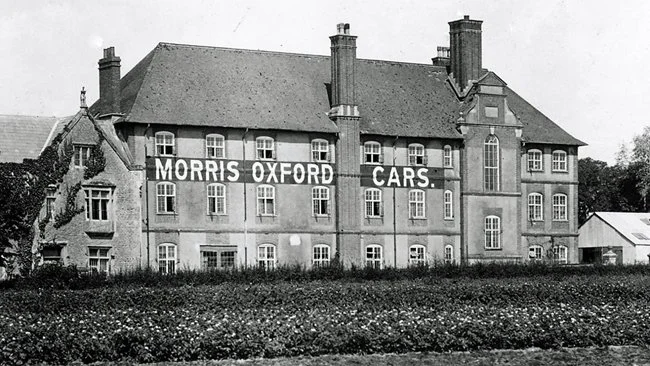
October 3-7 | Starting at $500History of William Morris
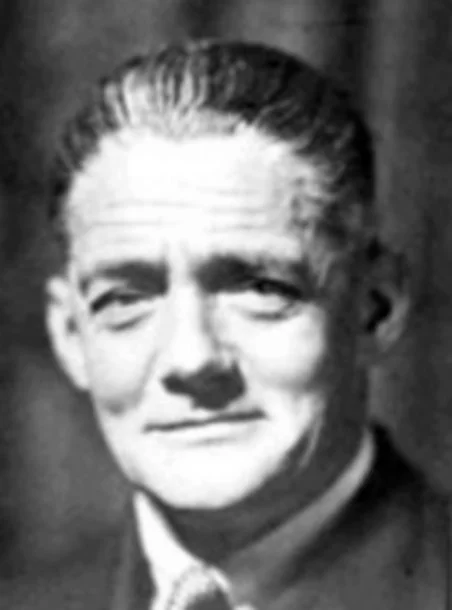
William Morris - 1920
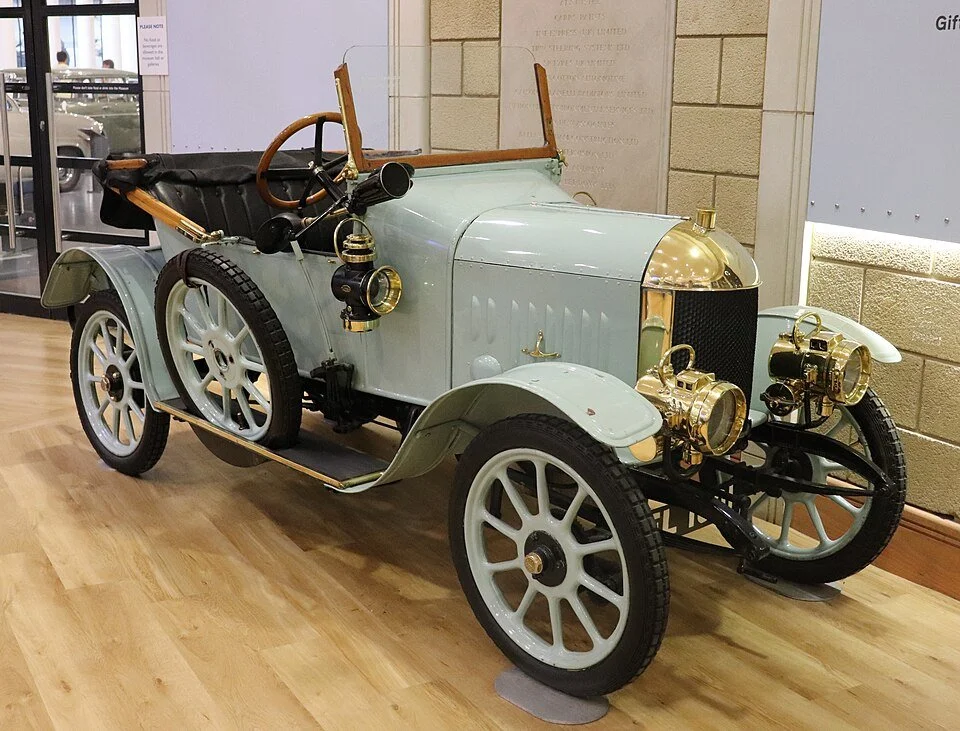
1913 Oxford 2- Seater
Morris Motors Limited was a British Motor Vehicle Manufacturing Company formed in 1919 to take over the assets of William Morris's WRM Motors Limited and continue production of the same vehicles. By 1926, its production accounted for 42 per cent of British car manufacture, a remarkable rate of expansion attributed to William Morris's practice of buying in major as well as minor components and assembling them in his own factory.
Although it merged with Austin Motor Company to form the British Motor Corporation in 1952, the Morris name remained in use until 1984, when the Austin Rover Group decided to concentrate on the more popular Austin brand as well as expanding the more upmarket Rover brand.
Until 2014, Morris Oxford vehicles (based on the 1954-59 Oxford) were manufactured in India by Hindustan Motors with periodic enhancements, and sold well there, even being imported to Britain in small numbers during the 1990s.
Part of Morris's manufacturing complex at Cowley, Oxford, is now BMW Group's Plant Oxford, factory of the Mini marque since its launch in 2001.
The Morris trademark is currently owned by the China-based automotive company SAIC, which acquired it from the bankrupt subsidiary Nanjing Automotive.
The Morris Commercial JE, an electric van with a 1940s design, was unveiled in November 2019 ahead of a planned 2021 launch under the re-launched Morris Commercial marque, well over 30 years after the Morris brand disappeared.
❋ Early HistoryWRM Motors Ltd began in 1912, bicycle manufacturer William Morris moved on from the sale, hire, and repair of cars to car manufacturing. He planned a new light car, assembled from bought in components. In this way he was able to retain ownership by keeping within the bounds of his own capital resources.
A factory was opened in 1913 at the former Oxford Military College at Cowley, Oxford, United Kingdom where Morris's first car, the 2-seat Morris Oxford "Bullnose", was assembled. Nearly all the major components were bought in.
In 1914, a coupé and van were added to the line-up, but the Bullnose chassis was too short and the 1018 cc engine too small to make a much needed 4-seat version of the car. White and Poppe, who made the engine, were unable to supply the volume of units that Morris required, so Morris turned to Continental of Detroit, Michigan for the supply of a 1548 cc engine. Gearboxes and axles were also sourced in the US.
In spite of the outbreak of the First World War the orders were maintained and from mid 1915 a new larger car, the 2-seat and 4-seat Morris Cowley was introduced.
❋ Inter-War YearsAfter the war the Continental engine was no longer available, Morris arranged for Hotchkiss of France to make a near copy in their Coventry factory. This was used to power new versions of the basic Cowley and more up-market Morris Oxford cars.
With a reputation for producing high-quality cars and a policy of cutting prices, Morris's business continued to grow and increase its share of the British market overtaking Ford to become in 1924 the UK's biggest car manufacturer, holding a 51% share of the home market and remaining enormously profitable.
Possessed of a very large cash income Morris had a policy of personally buying up suppliers' businesses. For example, in 1923 he bought Hotchkiss's Coventry business which later became Morris Engines branch. He also brought in F G Woollard which became Morris Commercial Cars to lead the re-organization of their engine production from batch to flow, thus increasing output from less than 300 units per week to 1200. By 1924 the factory was making 2000 units a week with only a small increase in workspace and labour force.
Cecil Kimber, head of Morris's own original 1909-founded Morris Garage sales hire and repair operation in Oxford, began building sporting versions of Morris cars in 1924 labelling them MG. They were so successful a separate MG factory was soon established south of Oxford in Abingdon-on-Thames, Berkshire.
Having admired Budd's all-steel bodies, Morris founded The Pressed Steel Company of Great Britain Limited in 1926 as a joint venture with Edward G Budd Manufacturing Company. Budd International of Philadelphia, USA Pressed Steel's factory was located over the road from Morris's factory at Cowley and supplied Morris and many other motor manufacturers. Morris withdrew from the venture in mid-1930. Budd sold their share to British interests at the beginning of 1936.
The small car market was entered in 1928 with the Leonard Lord-designed Morris Minor, using an 847-cc engine from Morris's newly acquired Wolseley Motors. Lord had been sent there to modernise the works and Wolseley's products. The Minor was to provide the base for the MG Midgets. This timely spread into the small car market helped Morris through the economic depression of the 1930s. At the 1934 London Motor Show the Minor was replaced by the Morris Eight, a direct response to the Ford Model Y and, though Leonard Lord's handiwork, heavily based on it.
In 1932 W R Morris appointed Lord Managing Director of Morris Motors Limited and Lord swept through the Morris works, updating the production methods, introducing a proper moving assembly line and creating Europe's largest integrated car plant. But Morris and Lord fell out, and after 15 years Lord left in 1936 threatening to take Cowley apart brick by brick. Lord moved to Austin and they were to meet again in BMC—Morris, as Lord Nuffield, its first chairman. Lord succeeded him.
As of 1 July 1935 Morris Motors acquired from W R Morris, now Lord Nuffield, in exchange for a further issue of ordinary shares to him, the car manufacturing businesses of Wolseley Motors Limited and The MG Car Company Limited. A separate private company, Wolseley Aero Engines Limited, was then formed to continue the development of his aviation interests. In 1936 Lord Nuffield sold Morris Commercial Cars Limited, his commercial vehicle enterprise, to Morris Motors.
❋ Expert FacilitationLed by experienced guides who know how to hold space, encourage participation, and keep things moving with purpose.
❋ A Supportive SpaceOur events prioritize comfort, safety, and respect—so you can show up as you are and fully engage in the process.